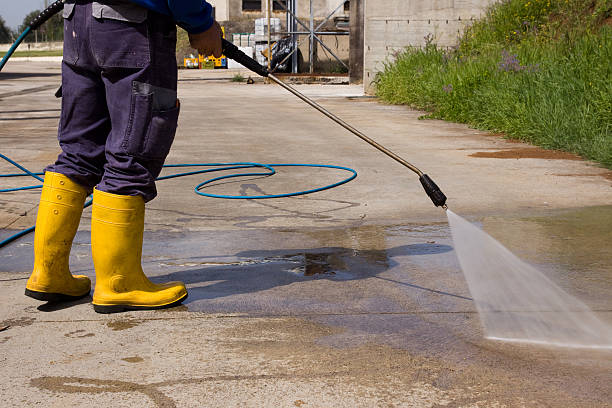
Clean, well-maintained pathways are a cornerstone of both functional safety and visual appeal in residential, commercial, and public environments. Over time, dirt, algae, oil stains, and organic growth can turn a pristine walkway into a slipping hazard and an eyesore. Regular pressure cleaning not only restores the original look of the surface but also mitigates risks that could lead to accidents or costly repairs. This article explores the practical benefits, recommended techniques, and environmental considerations essential for achieving optimal results.
Why Clean Pathways Matter
Safety Benefits
Slippery residues such as moss, algae, and oil dramatically increase the likelihood of slips and falls. Proper pressure cleaning removes these hazards, providing:
- Improved traction for pedestrians and wheelchair users.
- Reduced risk of liability claims for property owners.
- Enhanced compliance with occupational health and safety regulations.
Aesthetic Advantages
First impressions are often formed by visible surfaces. A clean pathway signals meticulous upkeep and professionalism. Benefits include:
- Restored colour and texture of concrete, stone, or pavers.
- Increased curb appeal that can raise property value.
- Positive perception from visitors, customers, and tenants.
Best Practices for Effective Pressure Cleaning
Achieving a safe and attractive surface requires a systematic approach. The following steps outline a reliable workflow:
- Assessment: Identify the material type, level of soiling, and any pre-existing damage.
- Pre-treatment: Apply biodegradable detergents to loosen stubborn stains.
- Pressure Settings: Use 1500-2500″?psi for concrete, lower pressures for delicate stone to avoid surface erosion.
- Technique: Move the nozzle in overlapping, consistent strokes, maintaining a 12-inch distance from the surface.
- Rinse & Inspect: Thoroughly rinse with clean water and evaluate the result before drying.
For a deeper dive into strategic cleaning methods, Discover expert strategies here.
Choosing the Right Equipment
Equipment selection directly influences both efficiency and surface integrity. Consider the following factors:
- Nozzle Type: Narrow-angle nozzles (0??-15??) concentrate power for stubborn grime; wider angles (25??-40??) are gentler for delicate surfaces.
- Water Source: Hot-water units are effective against oil and grease, while cold-water models suffice for general dirt.
- Mobility: Electric or battery-powered units provide quieter operation in noise-sensitive areas.
Professional guidance can simplify the selection process. Learn about our tailored solutions.
Establishing a Maintenance Schedule
Consistent cleaning prevents the buildup of contaminants and extends the lifespan of pathway materials. Recommended intervals:
- High-traffic commercial zones: Quarterly cleaning.
- Residential driveways and walkways: Bi-annual cleaning, preferably in spring and autumn.
- Outdoor event venues: Post-event cleaning to address spills and foot traffic.
Adopting a schedule aligned with local climate patterns helps address seasonal challenges such as winter salt residue or summer algae growth. Explore advanced guides and tips.
Environmental Considerations
Responsible pressure cleaning balances effectiveness with ecological stewardship. Key practices include:
- Using biodegradable, low-phosphate detergents to protect surrounding vegetation.
- Collecting runoff when cleaning near stormwater drains to prevent contamination.
- Employing water-recycling systems where feasible to reduce consumption.
For more information on environmentally conscious cleaning approaches, Find out more about this approach.
Conclusion
Maintaining pathways through regular pressure cleaning delivers measurable safety improvements and enhances visual appeal. By assessing surface conditions, selecting appropriate equipment, and adhering to a disciplined maintenance plan, property managers can protect both occupants and investments. Integrating eco-friendly practices ensures that the cleaning process contributes positively to the surrounding environment. Leveraging expert resources and proven methodologies will keep walkways inviting, secure, and resilient for years to come.