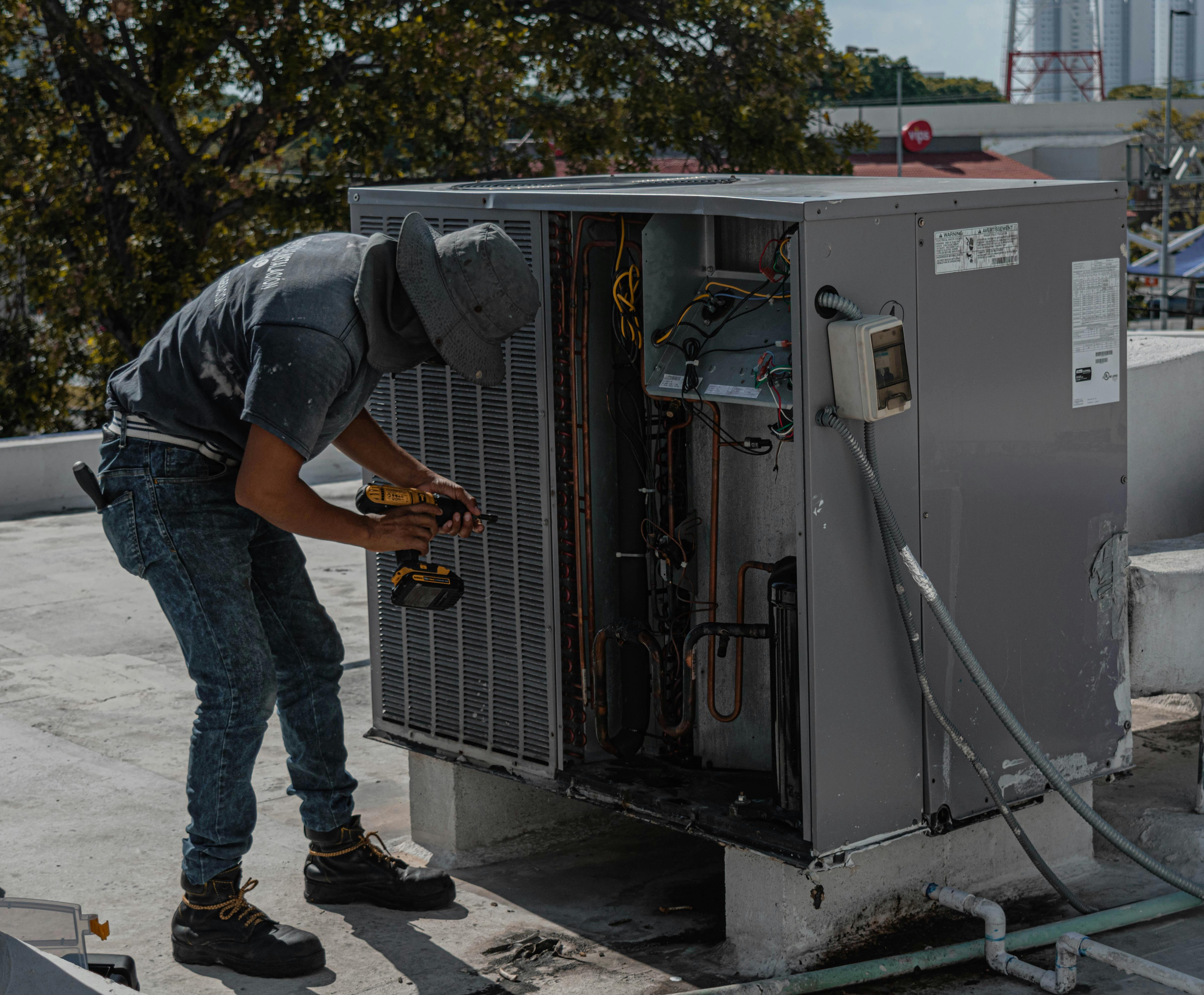
When an HVAC system falters, comfort, efficiency, and indoor air quality can quickly deteriorate. Whether the problem stems from a minor sensor glitch or a major compressor failure, timely and knowledgeable repair is essential to maintain a safe and comfortable environment. Understanding the root causes of common HVAC issues, recognizing early warning signs, and knowing which professional resources are available can dramatically reduce downtime and prevent costly replacements. The following guide outlines reliable repair and service strategies that address every type of HVAC challenge, from routine maintenance to emergency troubleshooting.
Common HVAC Problems and Their Causes
1. Inadequate Heating or Cooling
- Dirty or clogged air filters restrict airflow, causing the system to work harder.
- Thermostat miscalibration leads to incorrect temperature readings.
- Low refrigerant levels often indicate a leak in the sealed system.
- Worn-out blower motors reduce air circulation efficiency.
2. Strange Noises
- Rattling or banging can signal loose components or a failing motor.
- Squealing often points to a worn belt or insufficient lubrication.
- Humming without airflow may indicate a blocked condensate line or a stalled fan.
3. Poor Indoor Air Quality
- Accumulated dust and mold in ducts spread allergens.
- Faulty humidifiers or dehumidifiers create uncomfortable humidity levels.
- Improper ventilation can lead to excess carbon dioxide buildup.
Preventive Maintenance Best Practices
Regular maintenance is the cornerstone of reliable HVAC performance. A systematic approach helps detect issues before they become emergencies.
- Schedule bi-annual inspections, once before summer cooling and once before winter heating.
- Replace or clean air filters every 30-90 days, depending on usage and indoor air quality.
- Inspect and clean evaporator and condenser coils to maintain heat exchange efficiency.
- Check refrigerant pressures and look for signs of leakage.
- Test thermostat accuracy and calibrate if necessary.
- Lubricate moving parts such as fan motors and bearings.
For a deeper dive into maintenance protocols, Discover expert strategies here.
Effective Repair Techniques
Diagnosing the Issue
A systematic diagnostic process saves time and reduces unnecessary part replacements.
- Begin with a visual inspection of wiring, connections, and physical components.
- Utilize digital multimeters to verify voltage, resistance, and continuity.
- Employ pressure gauges to assess refrigerant levels and system pressures.
- Run the system through its full cycle while monitoring temperature differentials.
Common Repair Solutions
- Filter Replacement: Simple, low-cost fix that restores airflow.
- Thermostat Upgrade: Smart thermostats improve control and energy savings.
- Seal Leaks: Use UV dye detection and appropriate refrigerant-compatible sealants.
- Motor Replacement: Replace worn motors with energy-efficient models to reduce wear.
- Compressor Repair: Involves checking start capacitors, overload protectors, and refrigerant charge.
For detailed guidance on specific repair scenarios, Learn about our tailored solutions.
Emergency Response and Service Planning
Unexpected breakdowns demand swift action to protect occupants and equipment.
- Establish a 24/7 service contract with a qualified HVAC provider.
- Maintain an inventory of critical spare parts, filters, fuses, and common sensor modules.
- Develop a clear escalation protocol: technician dispatch, on-site assessment, and immediate repair or temporary mitigation.
- Document each incident to refine future preventive measures.
Guidelines for building a robust emergency plan can be found by Explore advanced guides and tips.
Energy Efficiency and Sustainability Considerations
Modern HVAC repair not only restores function but also enhances system efficiency, reducing operational costs and environmental impact.
- Upgrade to variable-speed compressors and fans for precise load matching.
- Implement demand-controlled ventilation to balance indoor air quality with energy use.
- Seal ductwork and improve insulation to minimize heat loss.
- Consider retrofitting with refrigerants that have lower global warming potential.
For more information on sustainable HVAC practices, Find out more about this approach.
Choosing the Right Service Provider
Selecting a qualified technician ensures that repairs are performed to the highest standards.
- Verify certifications such as NATE, HVAC Excellence, or equivalent.
- Check references and reviews for reliability and timeliness.
- Confirm that the provider follows industry-approved safety protocols.
- Prefer firms that offer comprehensive service packages, including preventive maintenance and emergency support.
Professional expertise can be further explored by Discover expert strategies here.
Conclusion
Effective HVAC repair and service hinge on early detection, systematic maintenance, and access to skilled professionals. By implementing the outlined preventive measures, understanding common failure modes, and establishing a reliable service network, facility managers can safeguard comfort, reduce energy consumption, and extend equipment lifespan. The integration of modern diagnostics, sustainable upgrades, and proactive planning transforms routine repair into a strategic advantage for any building environment.