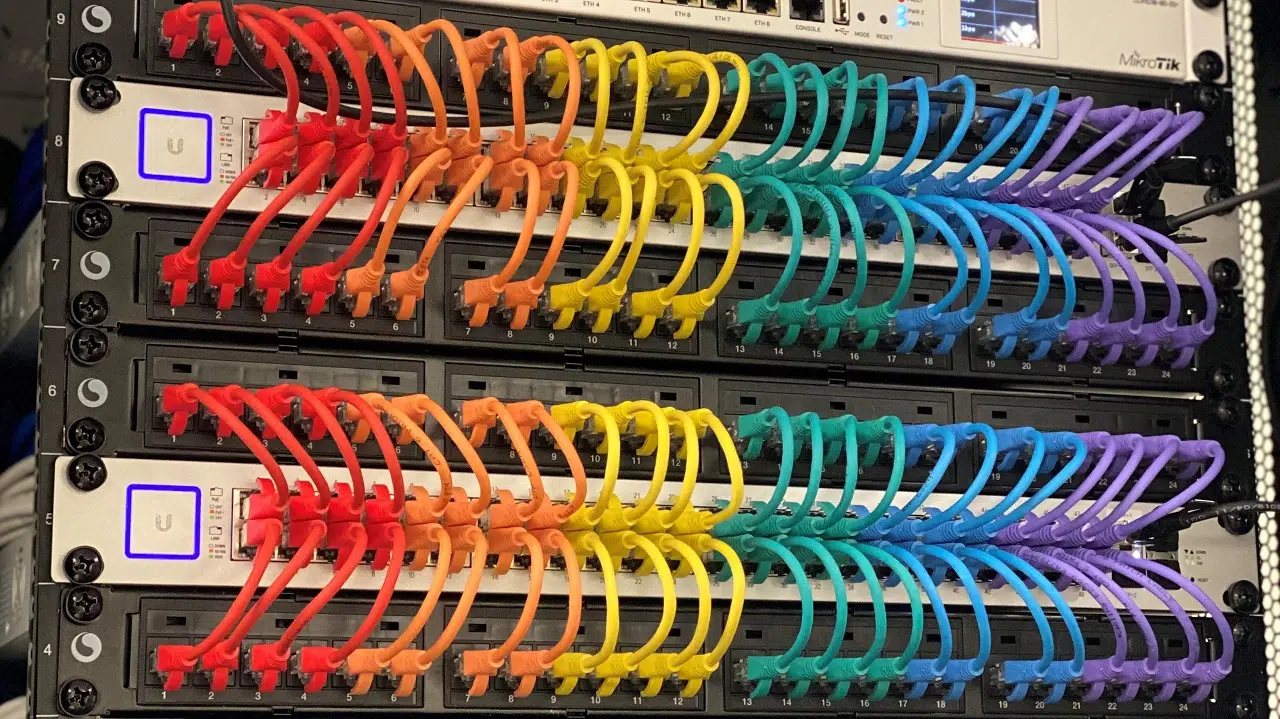
In today’s interconnected world, efficient network cabling is the backbone of any business’s communication infrastructure. The seamless flow of data, whether for internal communication or customer interaction, hinges on a robust cabling system. However, achieving successful network cabling installation requires careful planning, execution, and maintenance. This article delves into key steps that businesses should consider to ensure their network cabling installation meets their operational needs and enhances productivity.
Planning and Design
The initial phase of network cabling installation is crucial as it lays the foundation for a reliable system. A detailed plan and design can prevent future complications and ensure scalability. Consider the following steps:
- Conduct a thorough site survey to assess the infrastructure and identify potential challenges.
- Determine current and future bandwidth requirements to avoid bottlenecks.
- Plan for scalability to accommodate business growth without overhauling the entire system.
- Choose the right type of cables, such as Cat6 or fiber optics, based on data transfer needs and budget.
Explore advanced guides and tips for planning your network cabling here.
Installation Best Practices
Once the planning and design phase is complete, the installation process begins. Adhering to industry standards and best practices is vital to ensure optimal performance and longevity of the cabling system.
Cable Management
- Use appropriate cable management solutions like cable trays, conduits, and raceways to organize and protect cables.
- Avoid sharp bends and excessive tension to prevent damage and signal loss.
- Label cables clearly for easy identification and troubleshooting.
Discover expert strategies for effective cable management here.
Adhering to Standards
- Ensure compliance with industry standards such as TIA/EIA for structured cabling systems.
- Follow local building codes and regulations to avoid legal issues.
- Implement proper grounding and bonding techniques to enhance safety and performance.
Learn about tailored solutions for meeting industry standards here.
Testing and Certification
After installation, thorough testing and certification of the cabling system are essential to verify performance and reliability.
- Conduct end-to-end testing using advanced tools to check for signal quality, continuity, and attenuation.
- Document test results and provide certification reports to ensure compliance with standards.
- Regularly review and update documentation to reflect any changes or upgrades to the system.
Find out more about this approach to testing and certification here.
Ongoing Maintenance and Upgrades
A successful network cabling installation does not end with testing and certification. Ongoing maintenance and upgrades are key to sustaining performance and accommodating technological advancements.
- Schedule regular inspections to identify and rectify any wear and tear or potential issues.
- Keep abreast of technological advancements and consider upgrading components to improve efficiency.
- Train staff on basic troubleshooting techniques to minimize downtime.
Explore advanced guides and tips on ongoing maintenance here.
In conclusion, a successful network cabling installation requires a strategic approach encompassing planning, installation, testing, and maintenance. By addressing each phase diligently, businesses can ensure a robust and scalable cabling infrastructure that supports their operations effectively. For comprehensive guides and expert insights, businesses can discover expert strategies here and enhance their network infrastructure to meet current and future demands.