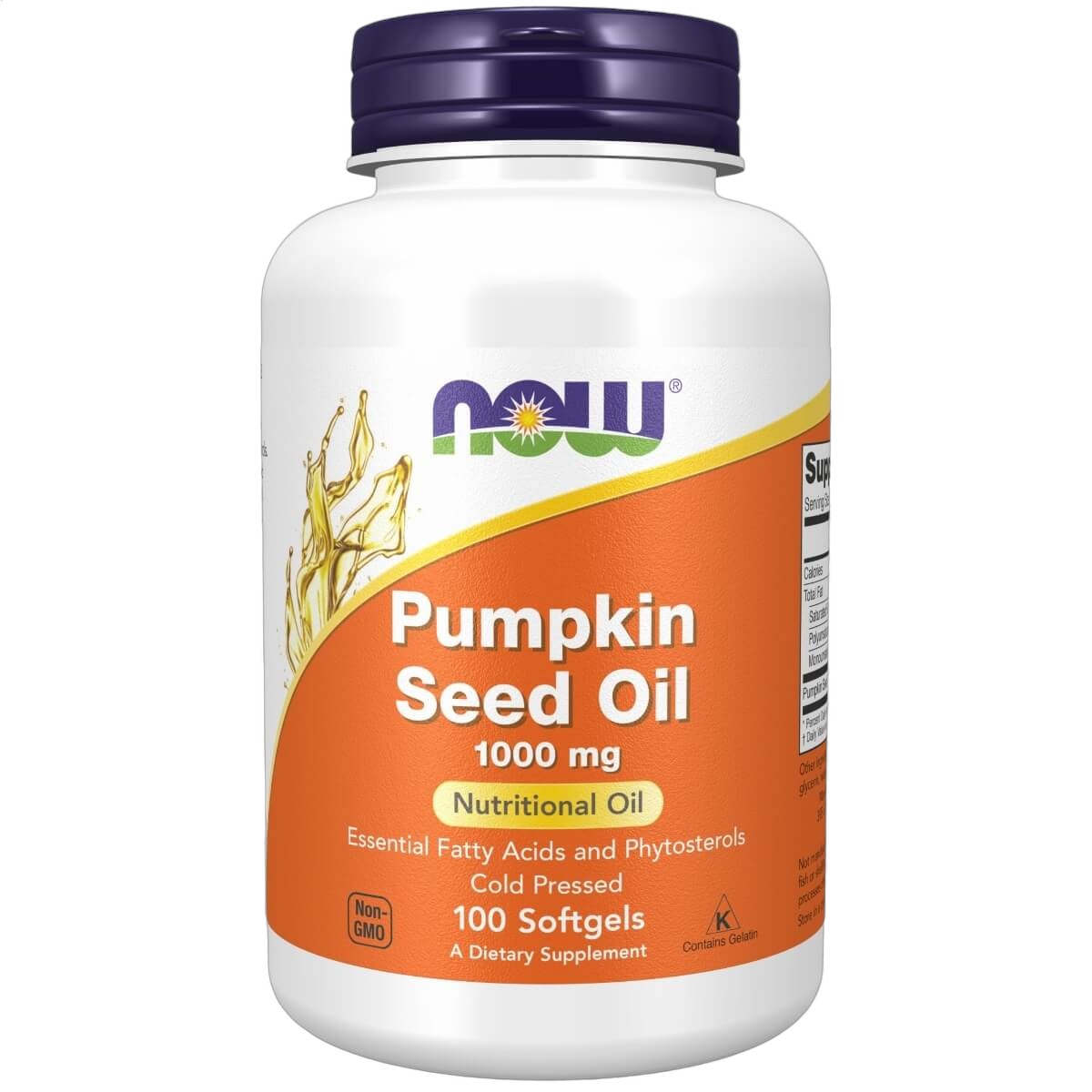
Pumpkin seed oil has earned a reputation as a versatile supplement for supporting heart health, hormonal balance, and overall vitality. With the rise of convenient delivery formats, consumers now choose between traditional liquid oil and modern capsule forms. Understanding the nuances of each option, absorption rates, dosage flexibility, taste preferences, and lifestyle compatibility, can help individuals select the format that best aligns with their daily wellness routine.
Key Differences Between Capsules and Liquid Oil
Absorption and Bioavailability
- Liquid oil: When taken on an empty stomach, the oil mixes directly with digestive enzymes, often resulting in rapid absorption of the fatty acids and phytosterols.
- Capsules: The gelatin or plant-based shell provides a protective barrier that can slow release, which may be beneficial for those who experience gastrointestinal discomfort with straight oil.
- Both formats deliver the same core nutrients, omega-6 linoleic acid, omega-9 oleic acid, and antioxidants such as vitamin”?E, so the choice mainly hinges on personal tolerance and timing.
Convenience and Portability
- Capsules are pre-measured, eliminating the need for a spoon or dropper, making them ideal for travel, work desks, or on-the-go supplementation.
- Liquid oil requires a measuring device and may be less discreet, especially when taken at work or in public settings.
Dosage Precision
- Capsules typically contain a fixed dose (e.g., 1000″?mg per capsule), ensuring consistent intake without the guesswork of measuring.
- Liquid oil allows for flexible dosing, users can adjust the amount based on specific health goals or physician recommendations.
Taste and Sensory Experience
- The rich, nutty flavor of pumpkin seed oil is prized by culinary enthusiasts but can be off-putting for some when taken directly.
- Capsules mask the taste entirely, which is a decisive factor for individuals sensitive to strong flavors.
Health Benefits Common to Both Forms
- Supports cardiovascular health by promoting healthy cholesterol levels.
- Provides phytosterols that may help maintain prostate health in men.
- Rich in antioxidants that protect cells from oxidative stress.
- Contains magnesium and zinc, essential for hormone regulation and immune function.
For a deeper dive into the specific composition and third-party testing of a reputable product, Discover expert strategies here.
When to Choose Capsules
- Busy lifestyles: If meals are irregular or you travel frequently, capsules eliminate the need for a measuring tool.
- Digestive sensitivity: The encapsulated form can reduce the likelihood of reflux or mild stomach upset.
- Precise supplementation: When a healthcare professional prescribes a specific milligram amount, capsules simplify adherence.
Professional guidance on integrating capsules into a personalized regimen can be found at Learn about our tailored solutions.
When to Opt for Liquid Oil
- Culinary use: The oil can be drizzled over salads, blended into smoothies, or used in low-heat cooking to add flavor and nutrients.
- Custom dosing: Athletes or individuals on a strict micronutrient plan may benefit from adjusting the exact amount each day.
- Cost efficiency: Bulk liquid formulations often provide a lower cost per milligram compared with capsules.
Practical tips for incorporating liquid pumpkin seed oil into meals are available at Explore advanced guides and tips.
Environmental and Storage Considerations
- Light and oxidation: Both formats should be stored in a cool, dark place. Liquid oil is more vulnerable to oxidation once the bottle is opened, so a dark glass container is preferable.
- Packaging waste: Capsules generate less plastic waste per dose, but some brands offer recyclable glass bottles for the liquid version.
- Shelf life: Properly sealed capsules often retain potency for up to two years, while liquid oil typically remains fresh for 12-18 months after opening.
Choosing the Right Product for Daily Wellness
Assess personal priorities:
- Convenience vs. flexibility: If you value a set-and-forget routine, capsules are the logical choice. If you enjoy experimenting with recipes and adjusting dosage, liquid oil offers more freedom.
- Flavor tolerance: Consider whether the natural taste enhances your meals or becomes a barrier.
- Budget constraints: Compare price per milligram and factor in any additional equipment (droppers, measuring spoons) needed for liquid use.
When the decision aligns with these criteria, the selected format can seamlessly integrate into a holistic wellness plan that includes balanced nutrition, regular exercise, and adequate sleep.
For a product that meets rigorous quality standards and provides clear labeling, Find out more about this approach and evaluate how it fits your health objectives.