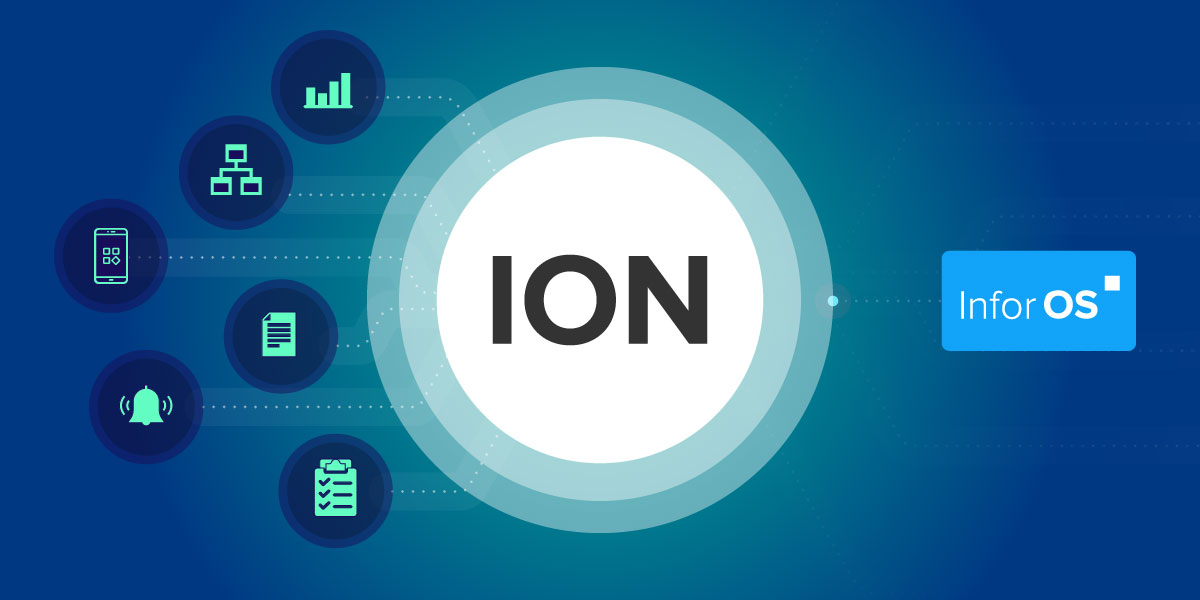
In today’s fast-moving market, businesses that can seamlessly connect disparate systems gain a decisive edge. Infor ION (Intelligent Open Network) serves as the connective tissue that unifies ERP, CRM, supply-chain, and analytics platforms, turning data silos into a single source of truth. Implementing Infor ION integration not only streamlines operations but also unlocks new opportunities for automation, real-time insight, and scalable growth. This article outlines the key benefits of adopting Infor ION within an organization and provides practical guidance on how to maximize its impact.
1. Streamlined Business Processes
Infor ION acts as a middleware layer that automates data exchange between applications, eliminating manual entry and reducing error rates. By centralizing workflow orchestration, companies experience faster order-to-cash cycles, smoother procurement, and more reliable inventory management.
- Reduced manual effort: Routine tasks such as data replication and validation are handled automatically.
- Improved accuracy: Real-time validation rules catch inconsistencies before they propagate.
- Faster cycle times: Automated approvals and notifications accelerate decision-making.
For organizations seeking a proven roadmap, Discover expert strategies here.
2. Real-Time Visibility and Decision-Making
When data flows instantly across systems, managers gain a holistic view of operations. Infor ION’s event-driven architecture pushes updates to dashboards and analytics tools the moment a transaction occurs, enabling proactive responses to market shifts.
Key advantages
- Instant reporting: KPI dashboards reflect the latest figures without batch processing delays.
- Predictive insights: Integrated analytics can forecast demand, inventory needs, and financial performance.
- Enhanced compliance: Auditable trails are automatically created for every data movement.
To explore deeper guidance on leveraging these capabilities, Learn about our tailored solutions.
3. Scalability and Future-Proof Architecture
As businesses expand, whether through new product lines, acquisitions, or geographic growth, Infor ION provides a flexible framework that accommodates additional applications without extensive re-coding. Its open API standards and micro-services approach ensure that new technologies can be plugged in quickly.
- Modular expansion: Add or replace systems with minimal disruption.
- Cloud readiness: Seamlessly integrate on-premise and cloud-based services.
- Cost efficiency: Reduce long-term integration expenses by reusing existing connectors.
Companies interested in a step-by-step implementation plan can Find out more about this approach.
4. Enhanced Customer Experience
When back-office processes are synchronized, front-office interactions become smoother. Order status, inventory availability, and billing information are updated in real time, allowing sales and service teams to provide accurate, timely responses to customers.
- Faster order fulfillment: Accurate inventory data reduces back-order incidents.
- Personalized service: Unified customer profiles enable targeted offers and support.
- Consistent communication: Automated notifications keep customers informed at each stage.
5. Reduced Total Cost of Ownership (TCO)
By consolidating integration points into a single platform, organizations lower the overhead associated with maintaining multiple point-to-point connections. Infor ION’s centralized monitoring tools also simplify troubleshooting, decreasing downtime and support costs.
- Lower licensing fees: One platform replaces many niche adapters.
- Decreased maintenance effort: Centralized updates and patches.
- Improved ROI: Faster project delivery and measurable efficiency gains.
Implementation Best Practices
Successful deployment of Infor ION requires careful planning and adherence to proven methodologies. Consider the following steps to ensure a smooth rollout:
- Assess current landscape: Map existing applications, data flows, and pain points.
- Define integration objectives: Prioritize use cases that deliver the highest business value.
- Leverage pre-built connectors: Utilize available templates to accelerate development.
- Adopt an incremental approach: Pilot critical processes before scaling organization-wide.
- Invest in training: Equip IT staff and business users with the knowledge to manage and extend integrations.
For a deeper dive into strategic planning and technical execution, Explore advanced guides and tips.
Conclusion
Infor ION integration transforms fragmented IT environments into cohesive, agile ecosystems. The benefits, ranging from streamlined processes and real-time insight to scalable architecture and lower TCO, position businesses to respond swiftly to market demands while delivering superior customer experiences. By following best-practice guidelines and leveraging expert resources, organizations can unlock the full potential of Infor ION and drive sustainable growth.