Maintaining optimal cardiovascular health is a cornerstone of overall well-being, and blood flow plays a pivotal role in delivering oxygen, nutrients, and hormones to every cell in the body. While a balanced diet, regular exercise, and stress management are foundational, certain natural supplements can further enhance circulation and support heart function. This article explores scientifically-backed supplements that promote healthy blood flow, explains how they work, and offers practical guidance for integrating them into a daily regimen.
Why Blood Flow Matters for Cardiovascular Health
Efficient circulation ensures that arterial walls receive the nutrients they need to stay flexible, while veins can effectively return deoxygenated blood to the lungs. Impaired blood flow is linked to hypertension, atherosclerosis, and reduced exercise capacity. By supporting endothelial function, the thin lining of blood vessels, supplements can help maintain vessel elasticity, reduce oxidative stress, and improve nitric oxide production, all of which are essential for smooth blood movement.
Key Natural Supplements for Enhancing Blood Flow
1. L-Arginine
- Acts as a direct precursor to nitric oxide, a vasodilator that relaxes blood vessels.
- Clinical studies show modest reductions in blood pressure and improved exercise tolerance.
- Typical dosage: 2-6″?g per day, divided into two doses.
2. Beetroot Extract (Nitrates)
- Rich in dietary nitrates that convert to nitric oxide via the oral microbiome.
- Regular consumption can lower systolic blood pressure by 4-6″?mmHg.
- Best taken as a juice or concentrated powder, 500″?mg-1″?g of nitrate equivalents daily.
3. Omega-3 Fatty Acids (EPA/DHA)
- Support endothelial health and reduce inflammatory markers.
- EPA/DHA improve arterial compliance, facilitating smoother blood flow.
- Recommended intake: 1-3″?g of combined EPA/DHA per day.
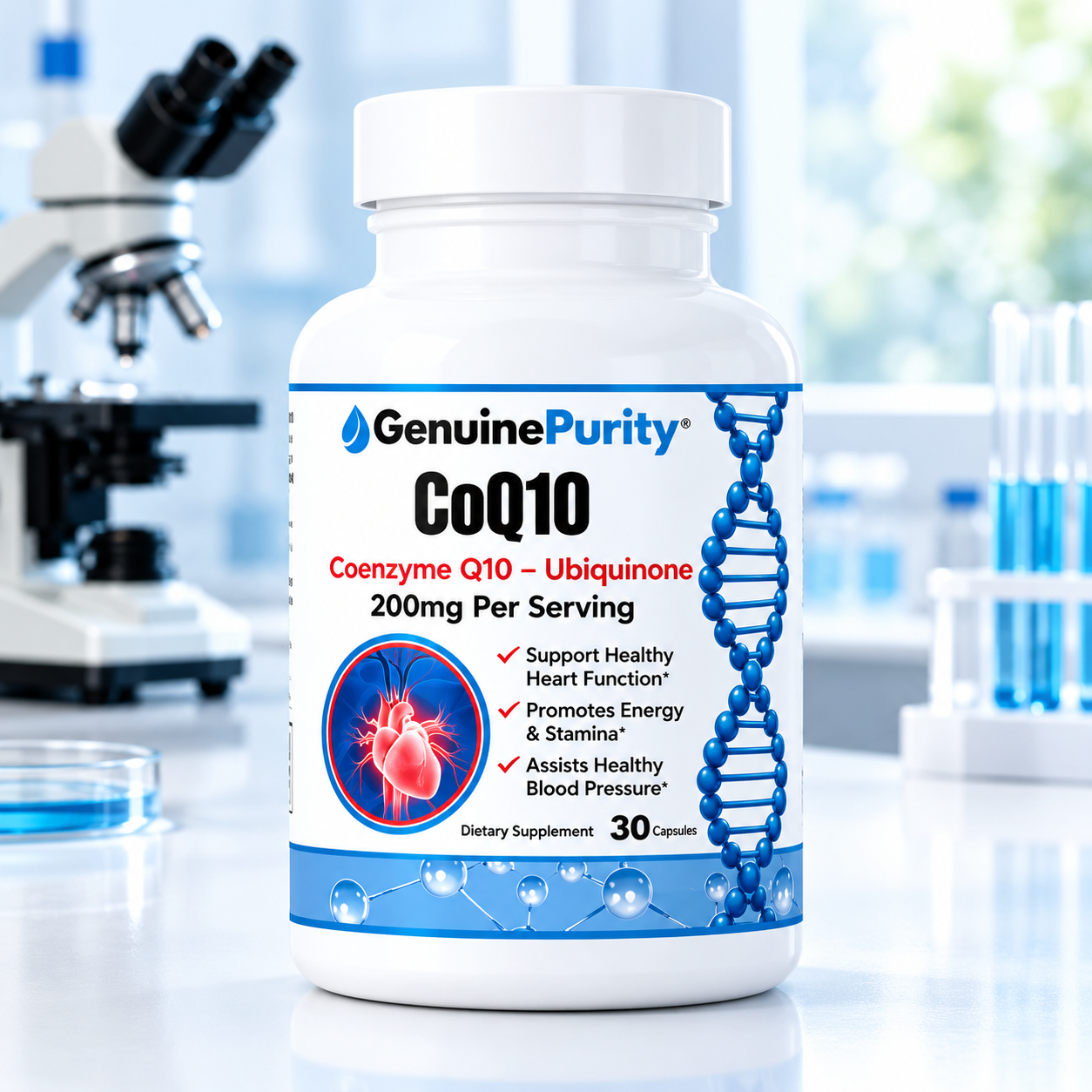
4. Coenzyme Q10 (Ubiquinol)
- Functions as an antioxidant that protects vascular cells from oxidative damage.
- Enhances mitochondrial energy production, indirectly supporting vascular tone.
- Standard dose: 100-300″?mg daily, preferably in its reduced ubiquinol form.
5. Magnesium
- Regulates smooth muscle contraction and relaxation within vessel walls.
- Deficiency is associated with increased vascular resistance.
- Optimal supplementation: 300-400″?mg of magnesium citrate or glycinate per day.
Combining Supplements for Synergistic Effects
When used together, these nutrients can complement each other’s mechanisms. For example, combining L-arginine with beetroot extract may amplify nitric oxide production, while omega-3s and magnesium jointly improve vessel flexibility. However, it is essential to avoid excessive dosing and to consider potential interactions with prescription medications, especially blood thinners or antihypertensives.
Practical Guidance for Incorporating Supplements
- Start low, go slow: Introduce one supplement at a time to monitor tolerance.
- Timing matters: Take L-arginine on an empty stomach for better absorption; omega-3s are best with meals containing fat.
- Consistency is key: Benefits typically emerge after 4-6 weeks of regular use.
- Quality assurance: Choose products that are third-party tested for purity and potency.
Choosing Trusted Sources for Cardiovascular Support
When selecting supplements, opting for reputable brands that prioritize scientific formulation can make a significant difference. For a curated selection of heart-healthy products that align with evidence-based recommendations, Discover expert strategies here. This collection offers formulations that combine the ingredients discussed above, each sourced from high-quality manufacturers.
Lifestyle Practices That Amplify Supplement Benefits
Supplements work best when paired with heart-friendly habits. Consider integrating the following into daily life:
- Regular aerobic activity: Walking, cycling, or swimming for at least 150 minutes per week stimulates nitric oxide release.
- Stress reduction techniques: Mindfulness, yoga, or deep-breathing exercises lower cortisol, which can otherwise constrict blood vessels.
- Hydration: Adequate water intake maintains blood volume and supports nutrient transport.
Safety Considerations and Contraindications
While natural, these supplements are biologically active and may interact with certain conditions:
- L-Arginine: Caution in individuals with herpes virus infections, as it may trigger outbreaks.
- Beetroot nitrate: May amplify the effects of antihypertensive drugs, leading to overly low blood pressure.
- Omega-3s: High doses can increase bleeding risk; consult a physician if on anticoagulants.
- Magnesium: Excessive intake may cause gastrointestinal upset or interfere with calcium absorption.
Always discuss new supplement regimens with a healthcare professional, especially if you have chronic health conditions or are pregnant.
Further Reading and Resources
For deeper insight into how each ingredient supports vascular health, Learn about our tailored solutions. Additional scientific articles and user guides can be found by Explore advanced guides and tips. If you are interested in a comprehensive approach that blends nutrition, supplementation, and lifestyle, Find out more about this approach.
Conclusion
Optimizing blood flow naturally involves a multifaceted strategy that includes targeted supplements, consistent physical activity, stress management, and high-quality nutrition. By selecting evidence-based ingredients such as L-arginine, beetroot nitrate, omega-3 fatty acids, CoQ10, and magnesium, individuals can support endothelial function, reduce vascular resistance, and promote overall cardiovascular resilience. Pairing these nutrients with reputable sources and professional guidance ensures safe, effective results that align with long-term heart health goals.