Female athletes often face unique nutritional challenges that differ from those of their male counterparts. Hormonal fluctuations, bone density considerations, and specific performance goals require a thoughtful approach to supplementation. When combined strategically, individual supplements can create synergistic “stacks” that enhance recovery, support lean muscle development, and promote overall well-being. This article outlines evidence-based supplement stacks tailored for women in sport, explains the science behind each component, and offers practical guidelines for safe implementation.
Understanding the Foundations of a Supplement Stack
Before diving into specific stacks, it is essential to grasp the principles that make a stack effective:
- Complementary mechanisms: Each ingredient should address a distinct physiological need while supporting the actions of the others.
- Timing and dosing: Proper sequencing (pre-workout, intra-workout, post-workout) maximizes absorption and impact.
- Safety and interactions: Stacks must avoid excessive intake of any nutrient and consider potential interactions with medications or hormones.
For a deeper dive into these concepts, Read more about this topic.
Core Stack for Strength and Power
This stack focuses on building lean muscle, enhancing neuromuscular efficiency, and supporting joint health, key factors for athletes engaged in weightlifting, sprinting, or high-intensity interval training.
Key Components
- Protein Powder (Whey or Plant-Based): Provides 20-30″?g of high-quality protein within 30″?minutes post-exercise to stimulate muscle protein synthesis.
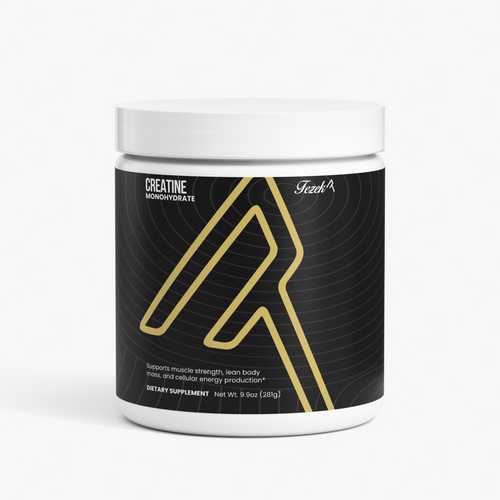
- Creatine Monohydrate: Increases phosphocreatine stores, improving short-burst power output and aiding recovery.
- Beta-Alanine: Buffers lactic acid, allowing athletes to sustain higher intensities for longer periods.
- Vitamin D3 + Calcium: Supports bone mineral density, which is especially important for women prone to stress fractures.
When combined, these ingredients create a synergistic effect that promotes strength gains without excessive caloric intake. To explore scientific details on creatine use in female athletes, Learn more in this detailed guide.
Endurance Stack for Long-Duration Events
Athletes competing in distance running, cycling, or triathlon require sustained energy, efficient glycogen utilization, and robust oxidative capacity.
Key Components
- Carbohydrate-Electrolyte Drink: Supplies 30-60″?g of carbohydrates per hour and replenishes sodium, potassium, and magnesium lost through sweat.
- Beta-Hydroxy-Beta-Methylbutyrate (HMB): Reduces muscle protein breakdown during prolonged activity.
- Iron (as Ferrous Bisglycinate): Maintains hemoglobin levels and oxygen transport, crucial for women who often experience iron-deficiency anemia.
- Omega-3 Fatty Acids: Decrease inflammation and improve cardiovascular efficiency.
Integrating these supplements can help maintain performance across the later stages of a race. For additional guidance on balancing electrolytes, Explore further insights here.
Recovery & Hormonal Balance Stack
Recovery is where performance gains become permanent. Female athletes also benefit from nutrients that support hormonal equilibrium, especially during menstrual cycles.
Key Components
- Magnesium Glycinate: Enhances sleep quality, reduces muscle cramps, and supports stress hormone regulation.
- Collagen Peptides + Vitamin C: Promotes tendon and ligament strength, aiding joint stability.
- Adaptogenic Herbs (Ashwagandha or Rhodiola): Help modulate cortisol responses and improve perceived energy.
- Probiotic Blend: Supports gut health, which influences nutrient absorption and immune function.
These elements together foster faster tissue repair and help mitigate menstrual-related performance dips. To understand how adaptogens interact with female hormone cycles, Find additional information here.
Practical Implementation Tips
- Start Slow: Introduce one new supplement at a time and monitor tolerance for at least two weeks.
- Track Metrics: Use a training log to record perceived exertion, recovery times, and any side effects.
- Align with Meals: Fat-soluble vitamins (D, omega-3) should be taken with dietary fats for optimal absorption.
- Consult Professionals: A sports dietitian or physician can tailor dosages based on individual health status.
Common Myths Debunked
Many misconceptions surround supplementation for women. Below are a few clarified with current research:
- Myth: “Women don’t need creatine.” Fact: Studies show comparable performance benefits in female subjects when dosed appropriately.
- Myth: “Protein shakes cause bulkiness.” Fact: Adequate protein supports lean mass without excessive calorie surplus.
- Myth: “Iron supplements alone prevent fatigue.” Fact: Iron works best when paired with vitamin C and a balanced diet.
Conclusion
Designing supplement stacks for female athletes requires a nuanced understanding of physiology, sport-specific demands, and individual variability. By selecting complementary ingredients, timing them strategically, and monitoring outcomes, athletes can safely enhance strength, endurance, and recovery. The stacks outlined above serve as a framework; however, personalization remains the cornerstone of optimal performance. Continuous education and collaboration with qualified health professionals ensure that supplementation supports, rather than replaces, a well-balanced diet and training program.