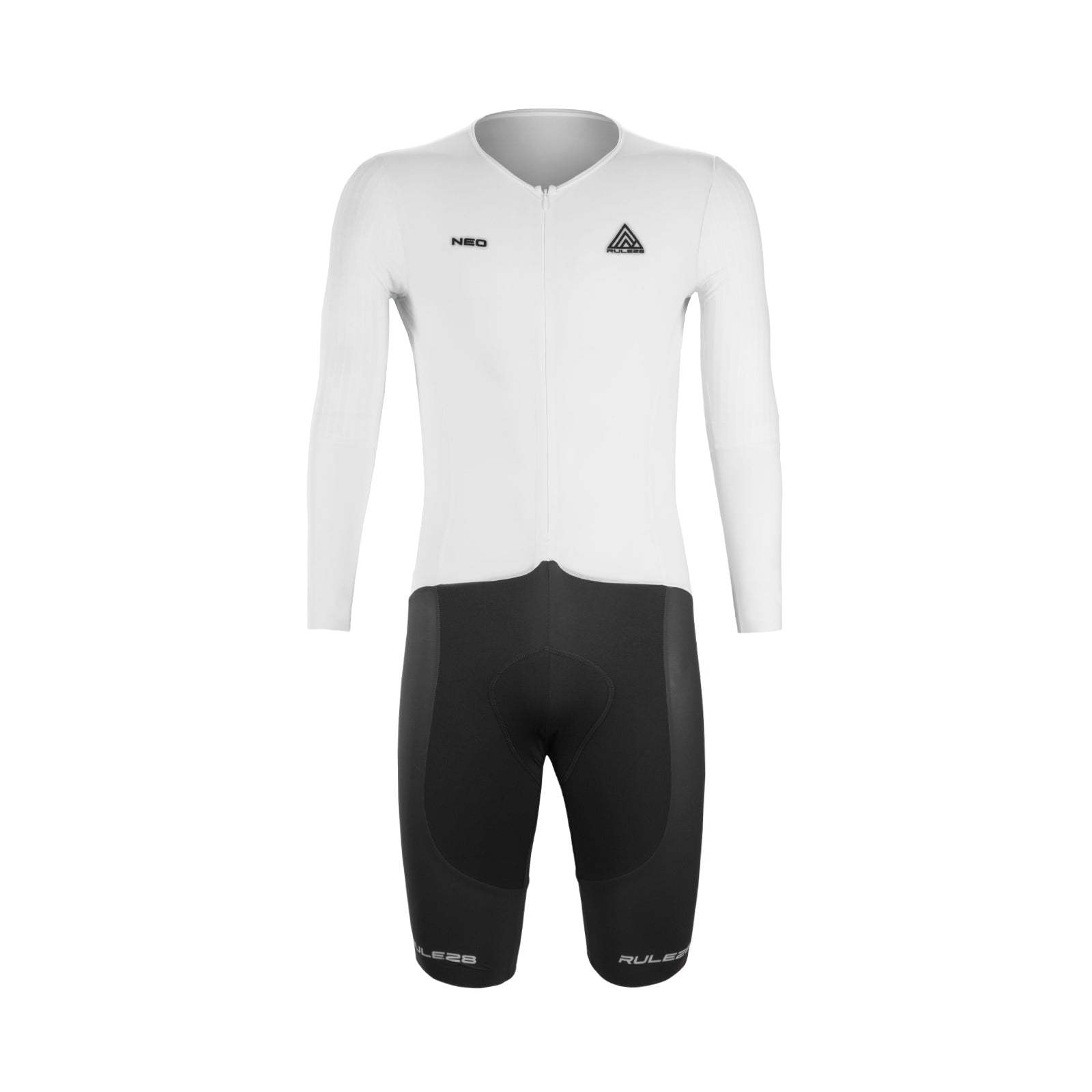
In the world of competitive cycling, marginal gains often separate podium finishes from the rest of the field. One of the most impactful areas for improvement is aerodynamics, especially during time trial efforts where every watt saved translates directly into seconds shaved off the clock. Modern time trial upgrades, such as a purpose-built aero kit, combine advanced fabric technology, precision tailoring, and thoughtful component integration to reduce drag, enhance power transfer, and ultimately increase overall efficiency on the road.
Understanding Aerodynamic Drag in Time Trials
Drag is the force that opposes a cyclist’s forward motion. It is influenced by three primary factors: frontal area, shape, and surface roughness. In a time trial, riders maintain a steady, high-speed effort, making drag the dominant resistance they must overcome. Reducing drag by even a small percentage can yield significant time savings over a typical 40-kilometer course.
Key Aerodynamic Principles
- Frontal Area: The larger the area presented to the wind, the greater the resistance. A tight-fitting kit minimizes this footprint.
- Shape Efficiency: Smooth, streamlined contours allow air to flow cleanly around the rider, decreasing turbulence.
- Surface Texture: Modern fabrics are engineered to control boundary layer behavior, reducing skin friction.
Components of a High-Performance Aero Kit
A comprehensive time trial aero kit typically includes a skinsuit, arm and leg covers, a helmet, and sometimes integrated shoe covers. Each piece is designed to work together, creating a cohesive aerodynamic envelope.
Skinsuit Design
- Seamless construction eliminates drag-inducing stitches.
- Strategic panel placement aligns with natural body lines for optimal airflow.
- Compression fabrics support muscle groups, reducing fatigue without compromising speed.
Arm and Leg Covers
- Extend the smooth surface of the suit over elbows and knees, where traditional clothing creates turbulence.
- Lightweight materials add negligible weight while delivering measurable drag reduction.
Helmet Integration
- Rounded, low-profile shells guide airflow over the shoulders and back.
- Ventilation is engineered to balance cooling needs with aerodynamic efficiency.
Quantifying the Benefits
Laboratory wind-tunnel testing and field data consistently show that a well-matched aero kit can lower drag by 5-10″?%. Translating this into performance:
- Speed Increase: Roughly 0.5″?km/h per 1″?% drag reduction at 40″?km/h.
- Time Savings: Approximately 15-30 seconds over a 40″?km course for a 5″?% drag improvement.
- Energy Efficiency: Riders can maintain target power outputs with less perceived effort, delaying the onset of fatigue.
Choosing the Right Time Trial Upgrades for Cycling
When selecting equipment, the focus should be on fit, material quality, and system compatibility. A kit that conforms precisely to the rider’s body shape ensures the aerodynamic advantages are fully realized.
Fit Considerations
- Professional bike fitting sessions help determine the optimal torso length and leg positioning.
- Adjustable features such as zippered cuffs and customizable waistbands allow fine-tuning.
Material Technology
- High-tenacity fibers provide durability while maintaining a low weight.
- Hydrophobic treatments repel moisture, preventing drag-increasing water buildup.
System Compatibility
- Ensure the helmet’s shape complements the suit’s rear profile.
- Coordinate shoe covers with pedal cleats to avoid interference.
For cyclists seeking a cohesive solution, exploring the full range of time trial upgrades cycling options can streamline the selection process and guarantee that each component works in harmony.
Practical Tips for Maximizing Aero Gains
- Maintain a Consistent Position: Small variations in torso angle can increase drag; practice holding a steady posture.
- Regularly Inspect Gear: Worn seams or stretched fabric can create unwanted turbulence.
- Combine Aerodynamics with Training: Aerodynamic improvements are most effective when paired with a structured power-based training plan.
- Test in Real Conditions: Use a power meter and GPS to compare performance before and after kit installation.
Conclusion
Investing in a dedicated aero kit is more than a cosmetic upgrade; it is a scientifically grounded method to enhance cycling efficiency. By reducing drag, improving fit, and integrating advanced materials, the modern time trial kit empowers riders to extract maximum power while expending less energy. Whether competing at the elite level or pursuing personal bests, the aerodynamic edge provided by a well-designed kit can be the decisive factor that turns a strong effort into a winning performance.