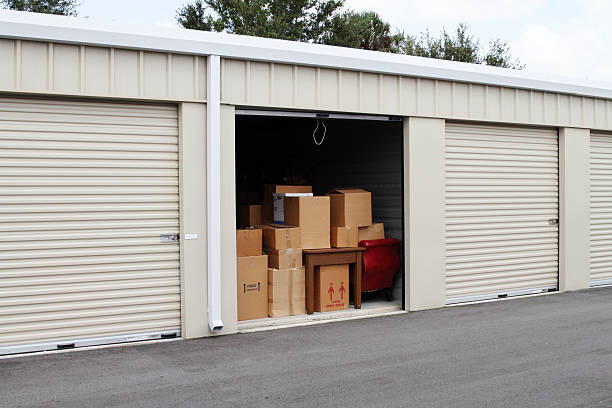
Choosing the right storage unit in Greensboro, NC can feel overwhelming, especially with a market that offers a wide range of sizes, security features, and pricing structures. A well-chosen unit not only protects belongings but also saves time and money in the long run. This guide walks you through the essential factors to evaluate, practical steps for comparing options, and tips for maximizing the value of your rental. By following these best-practice recommendations, you’ll feel confident that the unit you select aligns perfectly with your needs and budget.
Assess Your Storage Requirements
Before you start browsing listings, clarify the specifics of what you’ll be storing. A clear picture of your needs helps narrow down size, climate control, and access frequency.
Key questions to answer
- What is the total volume of items? Measure large furniture or use online calculators for a rough estimate.
- Do any items require climate-controlled environments (e.g., electronics, antiques, documents)?
- How often will you need to access the unit? Daily, weekly, or occasional visits affect the preferred location within the facility.
- What is your budget ceiling? Include potential extra costs such as insurance, administrative fees, and climate control premiums.
Location and Accessibility
Convenient location reduces travel time and makes regular access easier. While many storage facilities are situated near major highways, consider the following:
- Proximity to your home or business, ideally within a 15-minute drive.
- Availability of extended-hour access or 24/7 entry, especially if you have irregular schedules.
- Ease of loading and unloading, look for wide drive-through doors, loading docks, and on-site moving equipment.
For a deeper dive into selecting a facility based on location, Discover expert strategies here.
Security Features
Protecting stored items is non-negotiable. Modern storage facilities employ multiple layers of security. Verify that the following measures are in place:
- Electronic gate access with personalized codes.
- Surveillance cameras covering all entry points and interior aisles.
- On-site staff presence during business hours.
- Individual unit alarms or motion sensors for high-value items.
- Secure perimeter fencing and adequate lighting.
Understanding the security standards of a facility can be further explored by Learn about our tailored solutions.
Unit Types and Size Options
Storage units come in a variety of dimensions and configurations. Choosing the correct size prevents overpaying for unused space or cramming items into a unit that’s too small.
Common size categories
- 5??5 (25″?sq”?ft): Ideal for boxes, seasonal d??cor, and small furniture.
- 5??10 (50″?sq”?ft): Fits the contents of a one-bedroom apartment.
- 10??10 (100″?sq”?ft): Suitable for the contents of a two-bedroom home or a small office.
- 10??15 (150″?sq”?ft) and larger: Accommodates the contents of a full house, large equipment, or commercial inventory.
When unsure about the exact size, many facilities offer a “first-month-free” trial or a flexible upgrade policy. For a practical sizing guide, Explore advanced guides and tips.
Pricing Structure and Contract Flexibility
Transparent pricing helps avoid surprise fees. Examine the following components:
- Base monthly rate, often lower for larger units due to economies of scale.
- Discounts for long-term commitments (6-month, 12-month contracts).
- Promotional offers such as “first month free” or reduced rates for new customers.
- Additional fees for climate control, insurance, or premium access hours.
- Penalty clauses for early termination, understand the notice period required.
For a comprehensive overview of cost-effective options, Find out more about this approach.
Insurance and Liability Coverage
Most reputable storage providers require renters to carry insurance. Options include:
- Personal homeowner’s or renter’s insurance that extends to off-site storage.
- Facility-offered insurance plans, often affordable and tailored to stored goods.
- Specialized coverage for high-value items such as artwork, antiques, or electronics.
Review the policy details to ensure adequate protection without redundant coverage.
Customer Service and Reputation
Responsive staff and positive customer feedback are indicators of a reliable facility. Consider these steps:
- Read online reviews on Google, Yelp, and industry-specific forums.
- Call the facility with specific questions, evaluate response time and helpfulness.
- Visit the site in person to assess cleanliness, organization, and staff professionalism.
Professional guidance on evaluating service quality can be found by Discover expert strategies here.
Additional Amenities to Enhance Convenience
Some storage centers provide extra features that can streamline the moving process:
- On-site moving trucks or partnerships with local moving companies.
- Packing supplies such as boxes, tape, and protective wraps available for purchase.
- Elevators or freight lifts for multi-story facilities.
- Online account management, pay rent, reserve units, and request access remotely.
Final Checklist Before Signing the Lease
Use this quick reference to confirm you’ve covered all critical points:
- Accurately measured required unit size.
- Verified security measures and access hours.
- Understood the full pricing breakdown, including any hidden fees.
- Confirmed insurance coverage meets your needs.
- Checked the facility’s reputation and customer service quality.
- Reviewed any additional amenities that could add value.
By systematically evaluating each factor, you’ll secure a storage solution in Greensboro, NC that safeguards your belongings, fits your schedule, and respects your budget. For more in-depth advice and tailored recommendations, feel free to Explore advanced guides and tips.