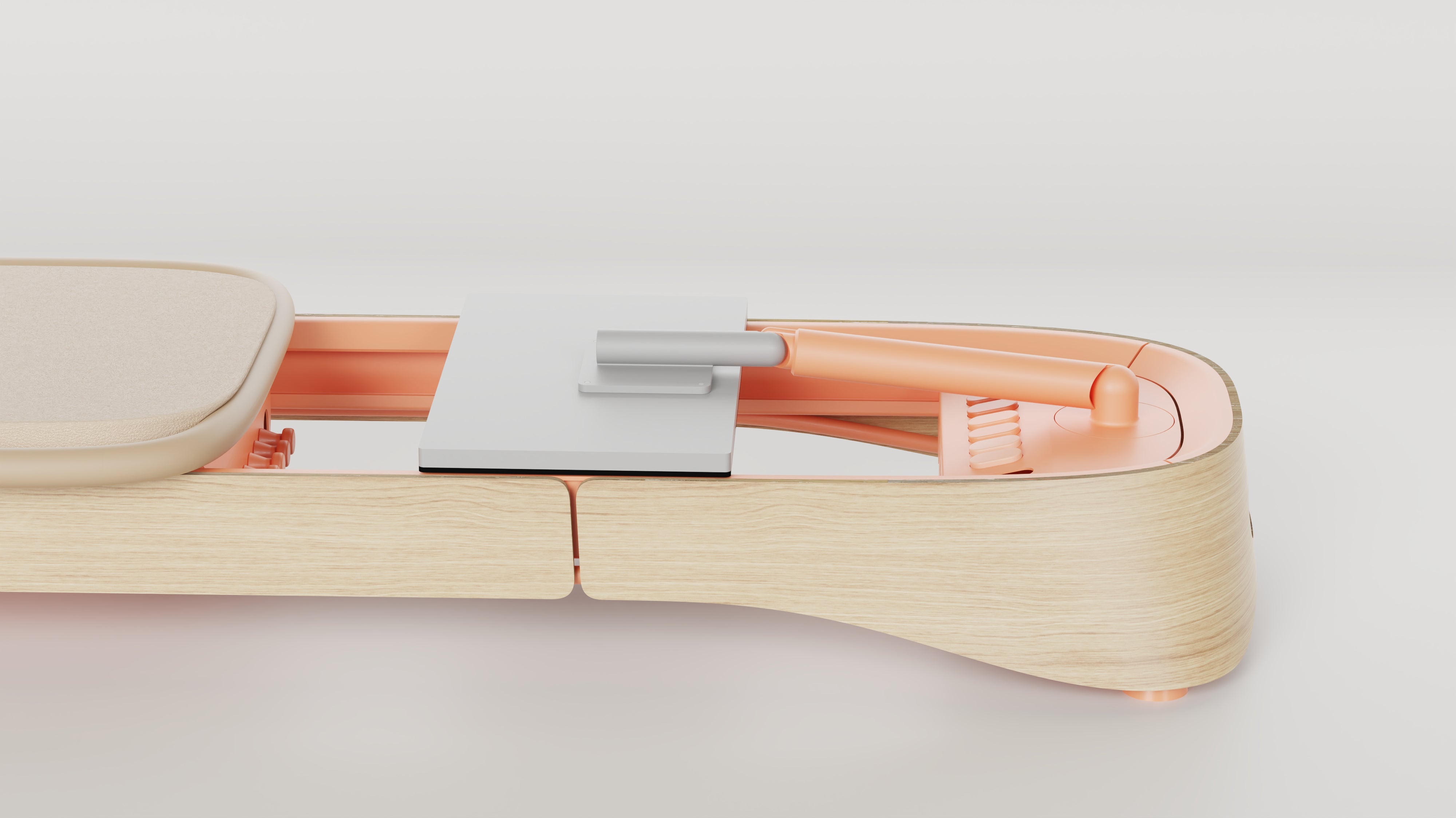
Choosing the right Pilates reformer can transform a home studio or commercial space into a hub of functional movement, strength, and flexibility. With a multitude of frames, carriage designs, and accessory options on the market, the decision often feels overwhelming. This guide breaks down the essential criteria, structural integrity, adjustability, ergonomics, and value, so that you can confidently select a reformer that aligns with training goals, space constraints, and budget considerations.
Understanding the Core Components of a Reformer
Frame Construction
- Material: Aluminum offers lightweight portability, while steel provides superior durability for high-traffic studios.
- Finish: Powder-coated frames resist corrosion and maintain a sleek appearance over years of use.
- Load Capacity: Verify the maximum weight rating; professional-grade units typically support 350″?lb or more.
Carriage and Rails
- Gliding Mechanism: Smooth, low-friction rollers reduce wear and ensure consistent motion.
- Rail Length: Standard rails are 115-120″?inches; longer rails accommodate taller practitioners.
- Adjustable Springs: Multi-stage spring sets allow for a broad resistance spectrum, from gentle rehabilitation to intense strength work.
Key Factors When Selecting a Frame Fitness Reformer
1. Space and Layout Compatibility
Measure the intended area, accounting for the reformer’s footprint plus clearance for full range of motion. A compact “fold-away” model may be ideal for apartments, while a full-size unit fits best in dedicated studios.
2. Adjustability and Versatility
Look for features that expand exercise options:
- Adjustable footbar height and angle.
- Movable headrest and shoulder rests for supine and prone work.
- Optional accessories such as a box, jumpboard, or resistance bands.
3. User Comfort and Ergonomics
High-quality padding on the carriage, shoulder rests, and footbar enhances comfort during prolonged sessions. Rounded edges and smooth welds prevent snagging clothing or skin.
4. Durability and Warranty
A reputable manufacturer typically backs the frame and moving parts with a multi-year warranty. This signals confidence in material selection and construction standards.
5. Price-to-Performance Ratio
While premium models offer advanced features, many mid-range reformers deliver comparable performance for most practitioners. Evaluate the long-term value rather than focusing solely on upfront cost.
Comparing Popular Frame Fitness Reformer Models
Frame Fitness offers a spectrum of reformers designed for different user needs. Detailed specifications can be found on the product page; Discover expert strategies here for a deeper dive into model variations.
- Standard Pro Series: Steel frame, dual-rail system, 12-stage spring set, and optional accessories. Ideal for commercial studios.
- Compact Home Edition: Aluminum frame, single-rail design, space-saving fold-away carriage. Suited for residential use.
- Premium Elite Model: Integrated digital console, Bluetooth connectivity for guided workouts, and enhanced ergonomics. Targets tech-savvy enthusiasts.
How to Test a Reformer Before Purchase
- Stability Test: Apply pressure to the carriage and footbar; the unit should remain rock-steady.
- Smoothness Check: Move the carriage back and forth across the rails; listen for any grinding or uneven resistance.
- Adjustability Demo: Cycle through footbar, headrest, and spring adjustments to ensure mechanisms operate effortlessly.
- Comfort Evaluation: Sit or lie on the carriage for a few minutes; assess padding density and edge finish.
Maintenance Tips for Longevity
Regular upkeep preserves performance and extends the lifespan of a reformer:
- Wipe down metal surfaces after each session to prevent sweat corrosion.
- Inspect springs for signs of fatigue; replace as needed.
- Lubricate rollers lightly every 3-6 months using a silicone-based spray.
- Check bolts and screws quarterly; tighten any that have loosened.
Integrating the Reformer Into a Balanced Pilates Routine
A well-chosen reformer becomes a versatile platform for full-body conditioning. Pair it with mat work, Cadillac exercises, and functional training to create a comprehensive program. For curriculum ideas and progression charts, Learn about our tailored solutions that align with various skill levels.
Final Considerations
Investing in a Pilates reformer is a commitment to long-term health and movement quality. By evaluating structural durability, adjustability, ergonomics, and budget, you can pinpoint the model that best supports your training objectives. Whether outfitting a boutique studio or a personal home gym, the right reformer delivers consistent performance, safety, and adaptability.
For additional guidance, detailed specifications, and purchase options, Explore advanced guides and tips. If curiosity remains about specific features or accessory bundles, Find out more about this approach through the official product page.